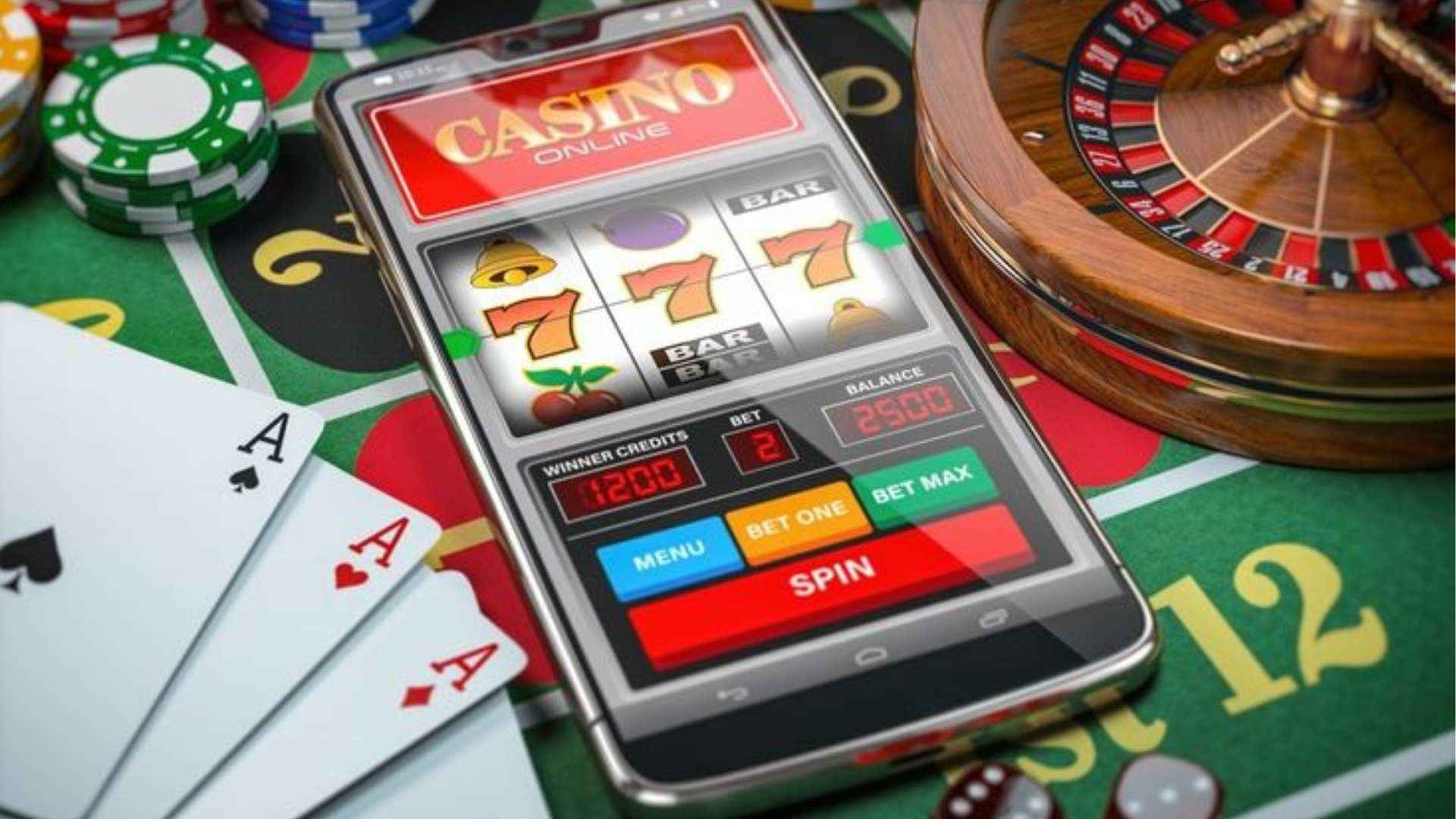
Even when a game is explicitly built around random numbers or unpredictable physical drops, human players frequently spend hours developing tactical systems. This curious behavior spans across ancient dice games, modern lottery draws, and casual digital spinners. Understanding why our minds reject pure randomness helps illuminate the complex relationship between human psychology and games of chance.
The Evolutionary Drive for Pattern Recognition
The human brain is an advanced survival mechanism designed to identify trends and establish order within chaotic environments. Our ancestors relied heavily on recognizing repeating sequences to find food and avoid localized environmental dangers. When confronted with completely randomized results, this deeply ingrained cognitive system still attempts to connect separate data points into a logical narrative.
This instinctual drive explains why enthusiasts map out past winning numbers or track the movement of a spinning mechanical wheel. Even if the statistical probability remains completely uniform, finding a perceived pattern provides a comforting sense of familiarity. Consequently, players often mistake independent mathematical events for a continuous, predictable sequence.
The Illusion of Control and Risk Management
Entering an environment where the outcome is entirely out of one's hands can trigger a subtle form of psychological discomfort. To combat this vulnerability, individuals implement custom rituals or systematic betting structures to regain a feeling of personal agency. By choosing exactly when to click or how much to wager, participants feel they are actively managing their risk profile.
This desire for structured interaction is visible across many global entertainment platforms that blend random entertainment with sports statistics. For instance, analyzing historical team performances on platforms like m88 - m thể thao allows users to apply analytical methods to unpredictable events. Even when pure luck dictates the final result, having a structured framework makes the entire experience feel more manageable and intellectual.
The Gamblers Fallacy and Misunderstanding Odds
A primary catalyst for strategy searching is a common cognitive bias known as the maturity of chances. Many individuals mistakenly believe that if a specific outcome has not occurred recently, it becomes mathematically due to happen soon. This erroneous assumption leads to the creation of elaborate recovery strategies designed to capitalize on inevitable shifts in fortune.
In reality, standard mechanical components and random number generators carry no memory of prior rotations or drops. Each individual round operates as an independent event with its own fixed mathematical probability. However, the mental conviction that randomness must self-correct keeps pushing players to refine their predictive systems.
Maximizing Entertainment Through Active Engagement
Ultimately, searching for a workable methodology transforms a passive spectator pastime into an engaging personal puzzle. Sitting back and letting pure luck take over can quickly feel repetitive or uninspiring after multiple sessions. Designing a personal approach or testing a popular formula forces the mind into active cognitive participation.
This mental investment elevates the emotional reward whenever a favorable outcome finally aligns with a chosen tactic. Even if the strategy had no actual impact on the physical probabilities, the player experiences a deep sense of validation. It turns a simple game of luck into a memorable test of patience, observation, and personal discipline.