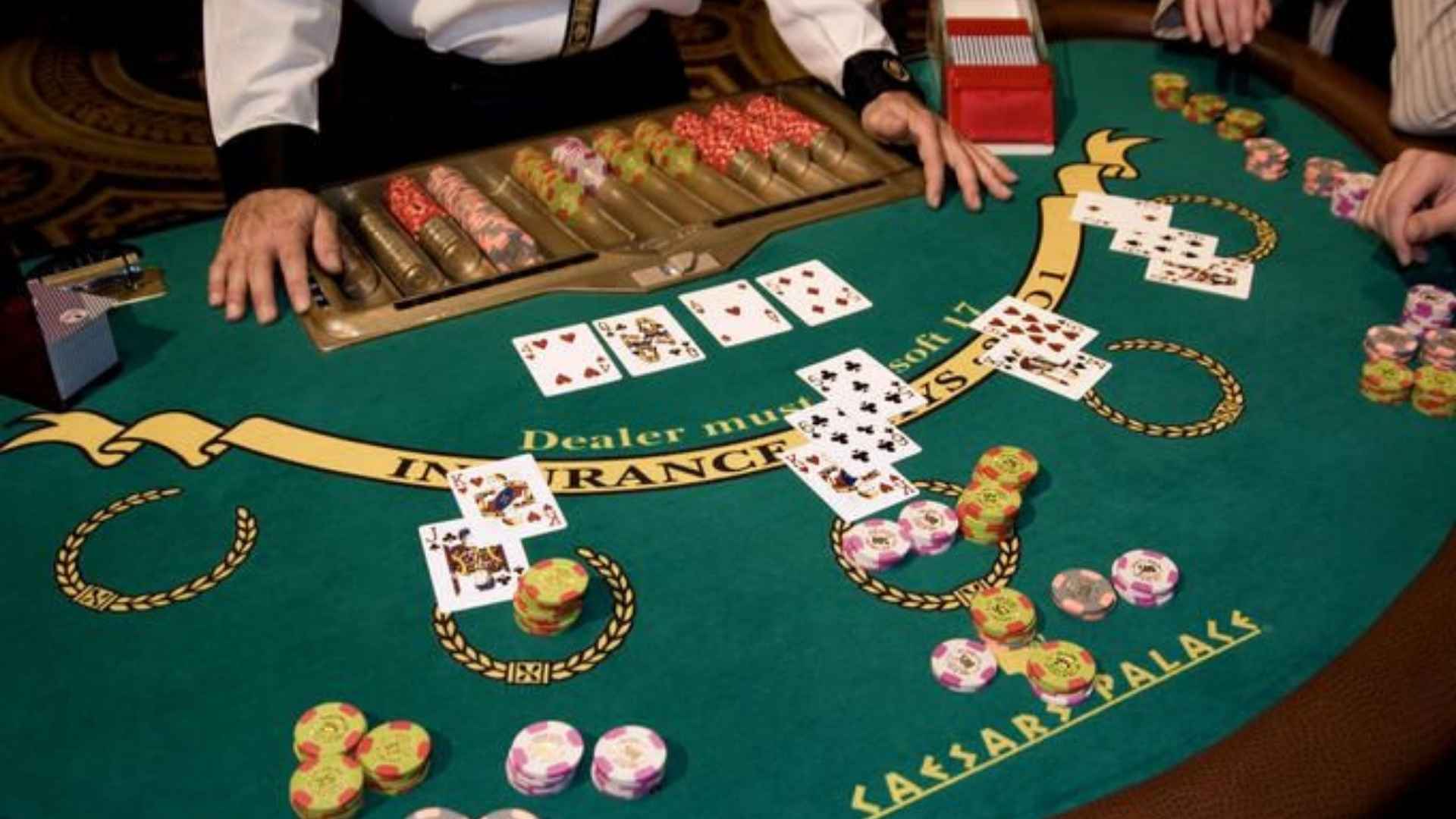
Mastering blackjack requires moving beyond pure intuition and adopting a structured approach rooted in mathematical probability. While the thrill of the draw keeps the game exciting, consistent success relies on executing specific decisions under pressure. By understanding how each card alters the dealer's vulnerability, players can significantly reduce the inherent house edge and maintain a sustainable bankroll.
The Core Foundations of Hitting and Standing
Knowing precisely when to request another card or hold your current total forms the bedrock of basic blackjack strategy. Hard totals between 12 and 16 represent the most complex scenarios because the risk of bursting is mathematically high. Experienced players evaluate the dealer's visible upcard to determine whether to play defensively or aggressively during these critical moments.
For instance, if a dealer shows a weak upcard like a 5 or 6, a player holding a hard 12 should choose to stand. Conversely, when the dealer displays an Ace or a 10, players must assume a strong final hand and hit until reaching a safe total. Accessing reliable platforms via the login situs m88 allows enthusiasts to practice these foundational decision-making guidelines across a wide array of virtual tables.
Maximizing Wagers via Doubling Down
The double down move is one of the most powerful tactical options available to players looking to maximize their winning potential. This rule allows you to double your original bet in exchange for committing to take exactly one additional card. Identifying the precise moments to deploy this aggressive play requires a clear understanding of comparative hand strength.
The absolute best opportunity to double down occurs when your initial two cards total a hard 11, as the statistical probability of hitting a 10-value card is remarkably high. This move is also highly favorable against a weak dealer upcard when your starting hand totals a hard 9 or 10. However, players must avoid doubling down on soft hands if the dealer showcases a powerful starting card like an Ace.
The Strategic Logic Behind Splitting Pairs
Splitting pairs separates identical starting cards into two independent hands, creating an immediate opportunity to turn a defensive position into a highly profitable one. This maneuver requires an additional wager equal to your original bet but shifts the mathematical odds in your favor when executed correctly. Certain pairs dictate a universal response regardless of what the dealer's upcard reveals.
A fundamental rule followed by serious strategists is to always split a pair of Aces and a pair of 8s. Splitting Aces sets up two distinct paths toward a natural twenty-one, while breaking up a pair of 8s rescues the player from a notoriously weak starting total of 16. On the other hand, splitting pairs of 5s or 10s should be entirely avoided, as doing so dismantles an already dominant position.