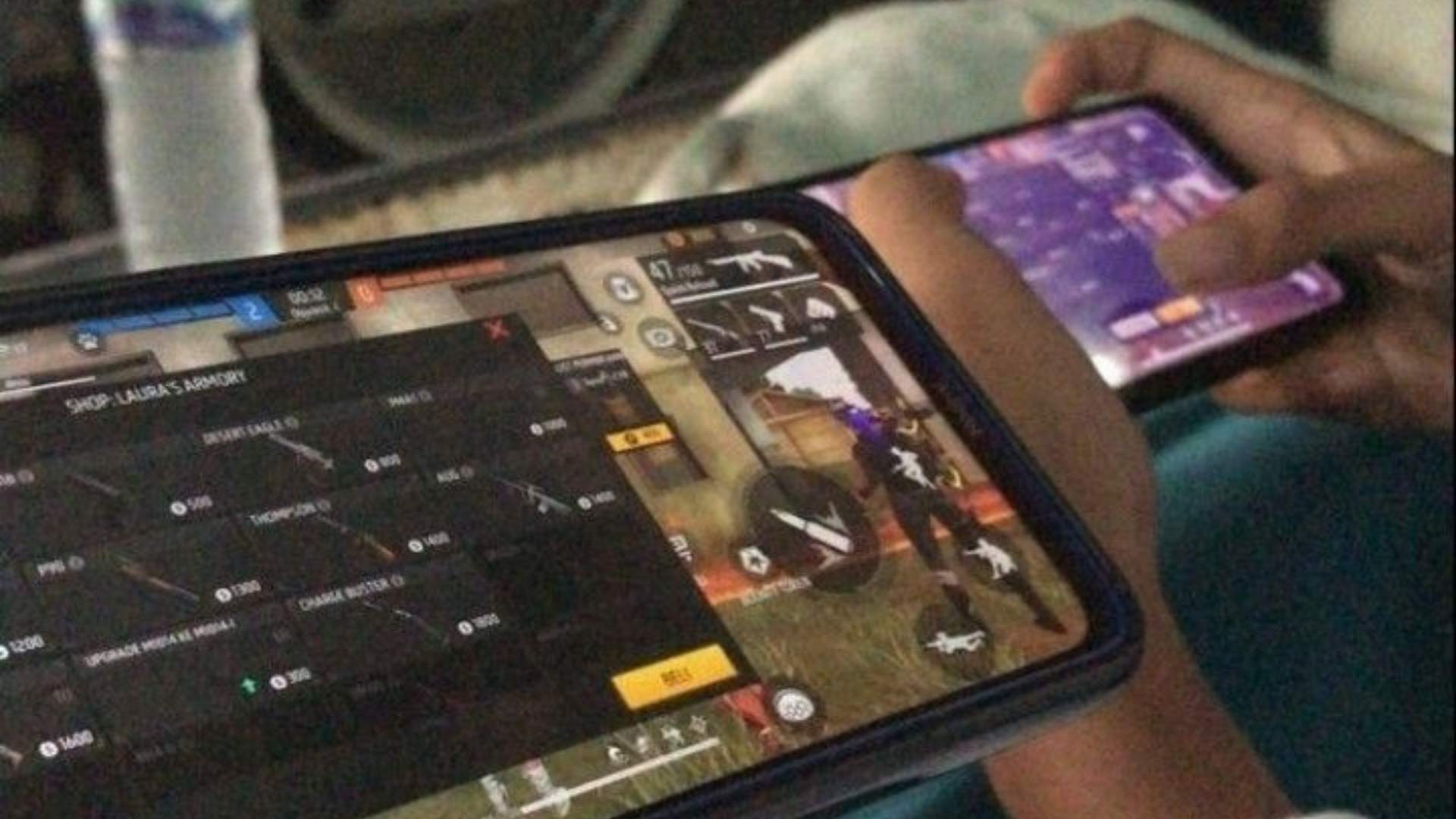
The landscape of modern online gaming has shifted dramatically, moving past simple deathmatches toward highly dynamic environments. Today, players seek immersive sessions where the winning conditions evolve in real time based on community interactions. Multiplayer games with interactive match objectives are leading this revolution, offering deeply engaging experiences that challenge traditional tactical frameworks.
The Evolution of In-Game Dynamic Goals
In the past, multiplayer matches relied heavily on static victory conditions such as reaching a specific score or capturing a permanent flag. Modern game design introduces fluid milestones that react directly to the choices and performance of the participating squads. These shifting targets require teams to maintain high cognitive flexibility and alter their strategy on the fly.
For instance, a single match might transition from a standard resource collection phase into a high-stakes defensive operation. This unpredictability ensures that veteran players remain thoroughly challenged even after hundreds of hours on the same map. By breaking down the traditional barriers of predictable gameplay, developers are creating living digital arenas.
Enhancing Strategic Team Collaboration
Achieving success in these responsive environments demands a high degree of mutual trust and seamless communication among participants. Instead of focusing purely on individual mechanical skill, players must synchronize their unique character capabilities to overcome complex hurdles. This collaborative shift helps foster strong social bonds and improves collective problem-solving skills within online communities.
To elevate your experience and explore platforms that support diverse gaming interests, you can visit the Link M88 Mansion for various online options. Engaging with these specialized hubs connects you to modern systems designed to enhance player participation across different styles. Building these team-oriented skills ultimately prepares enthusiasts for more demanding competitive landscapes in the future.
Balancing Competition and Longevity
Dynamic objectives also play a crucial role in maintaining balanced matchmaking and sustaining long-term user retention. When match goals change fluidly, it prevents highly experienced squads from completely optimizing the fun out of the experience. This equity ensures that casual newcomers and seasoned veterans can share the same digital space productively.
Furthermore, developers regularly refresh these interactive systems through seasonal updates and limited-time community events. By introducing fresh environmental challenges, studios guarantee that the gameplay loop remains vibrant and unpredictable. The continuous cycle of content ensures that virtual worlds remain highly active for years to come.
The Future of Shared Digital Realities
As network infrastructure and artificial intelligence continue to improve globally, the complexity of these shared milestones will grow exponentially. Future titles will likely feature entirely persistent worlds where every match objective directly impacts the overarching global narrative. This evolution will further blur the line between competitive matchmaking and collaborative storytelling.
Ultimately, the rise of interactive match mechanics is transforming digital entertainment into a deeply interconnected social phenomenon. Players are no longer just passive consumers of static content, but active contributors to a living ecosystem. Embracing these innovative designs ensures that the virtual landscape remains a thrilling space for global communities.